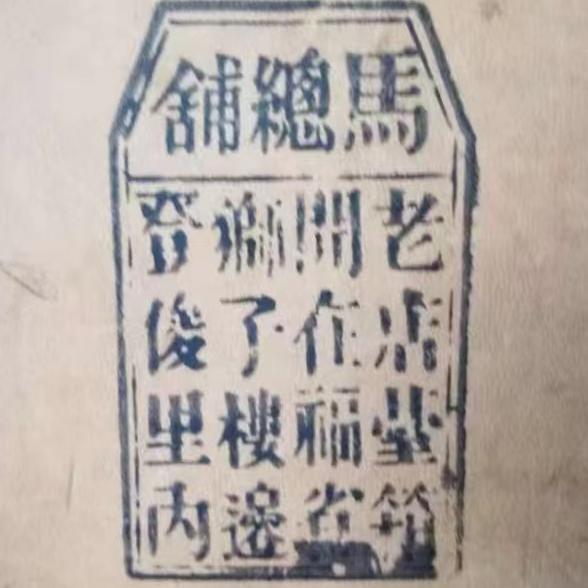
Current research traces an early Fuzhou trunk workshop to 马总铺, a shop that had worked with horse tack before making trunks for everyday use. This early account remains under source review.
History · under review
A working timeline connecting documents, workshops, teachers and contemporary practice.
Research status: this page preserves the timeline presently assembled by xiuqi.art. Names, dates, documentary references and wording are still being checked item by item; it should not be read as a finished historical conclusion.
Current research traces an early Fuzhou trunk workshop to 马总铺, a shop that had worked with horse tack before making trunks for everyday use. This early account remains under source review.
The Wanfulai trunk shop (万福来) was founded in the ninth year of the Tongzhi reign. Its red lacquered all-leather trunks later appeared in local records of notable Fuzhou products.
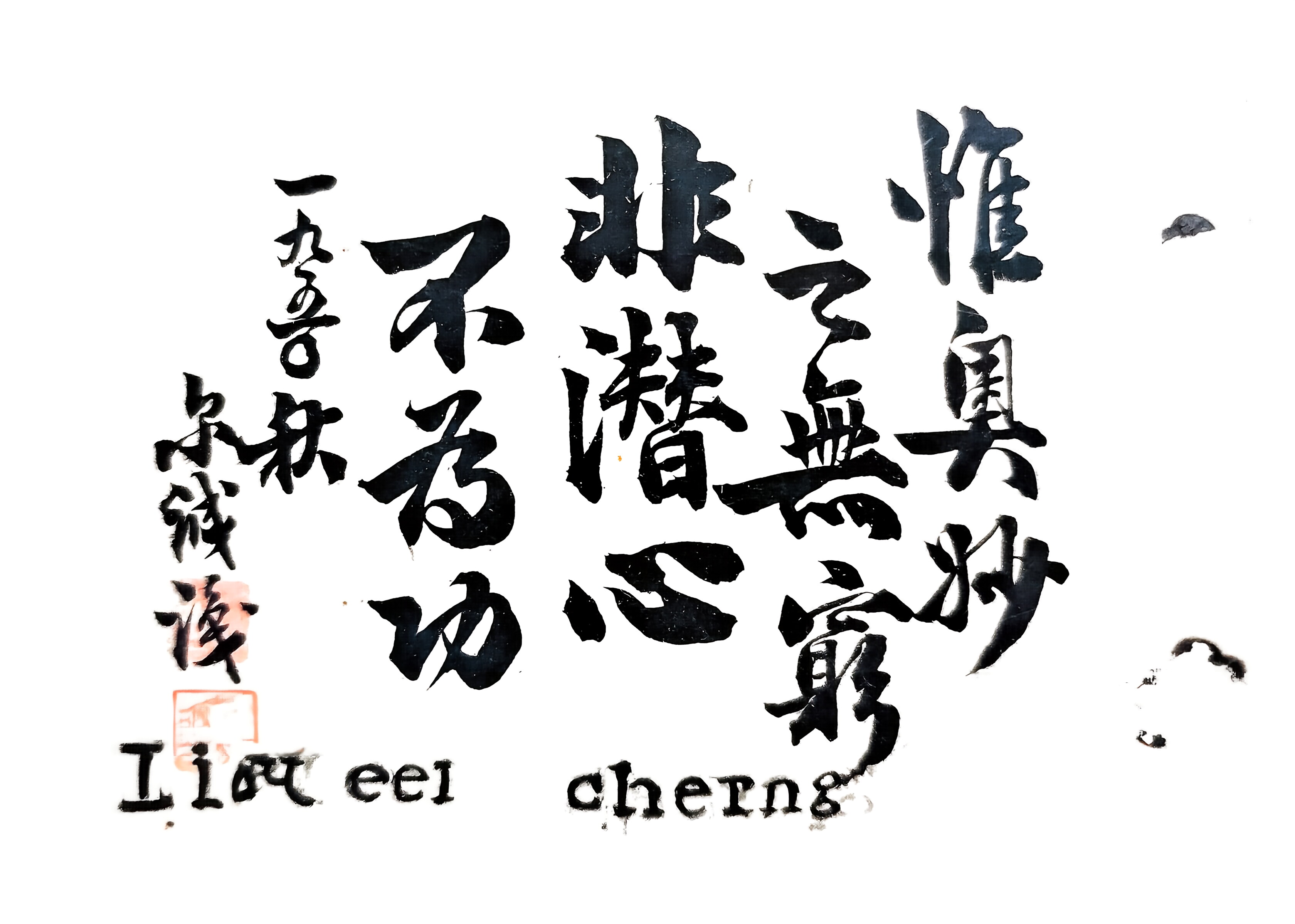
Liu Ercheng, born in 1932, completed his apprenticeship in 1950 and established Futai Sheng (福泰盛). He also compiled 《集本大成》, a surviving manuscript devoted to the craft. Wanfulai was incorporated into the state-owned Fuzhou Leather Factory in 1958.
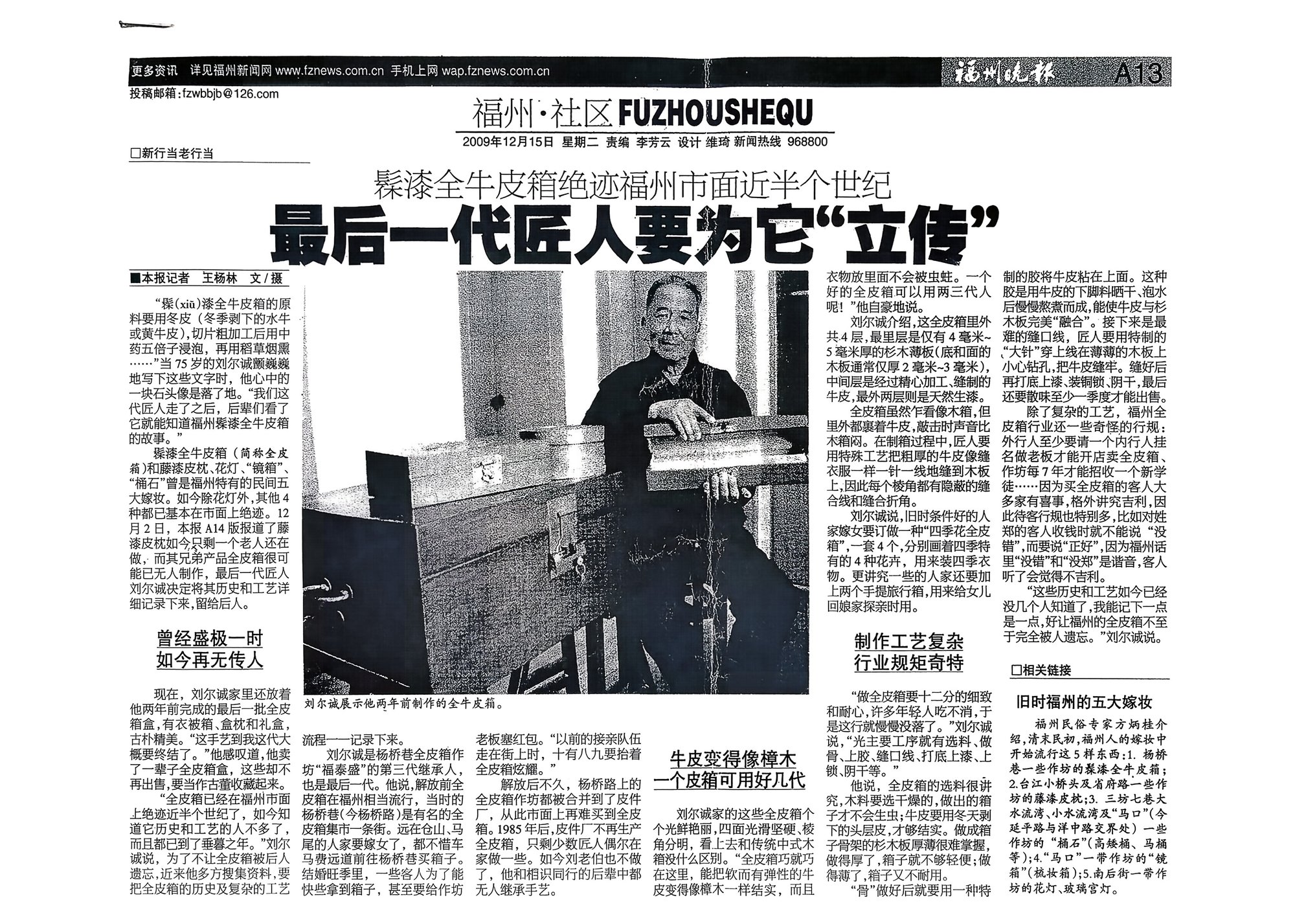
He Wei became Liu Ercheng’s apprentice and began learning the making of lacquered leather goods and trunks.
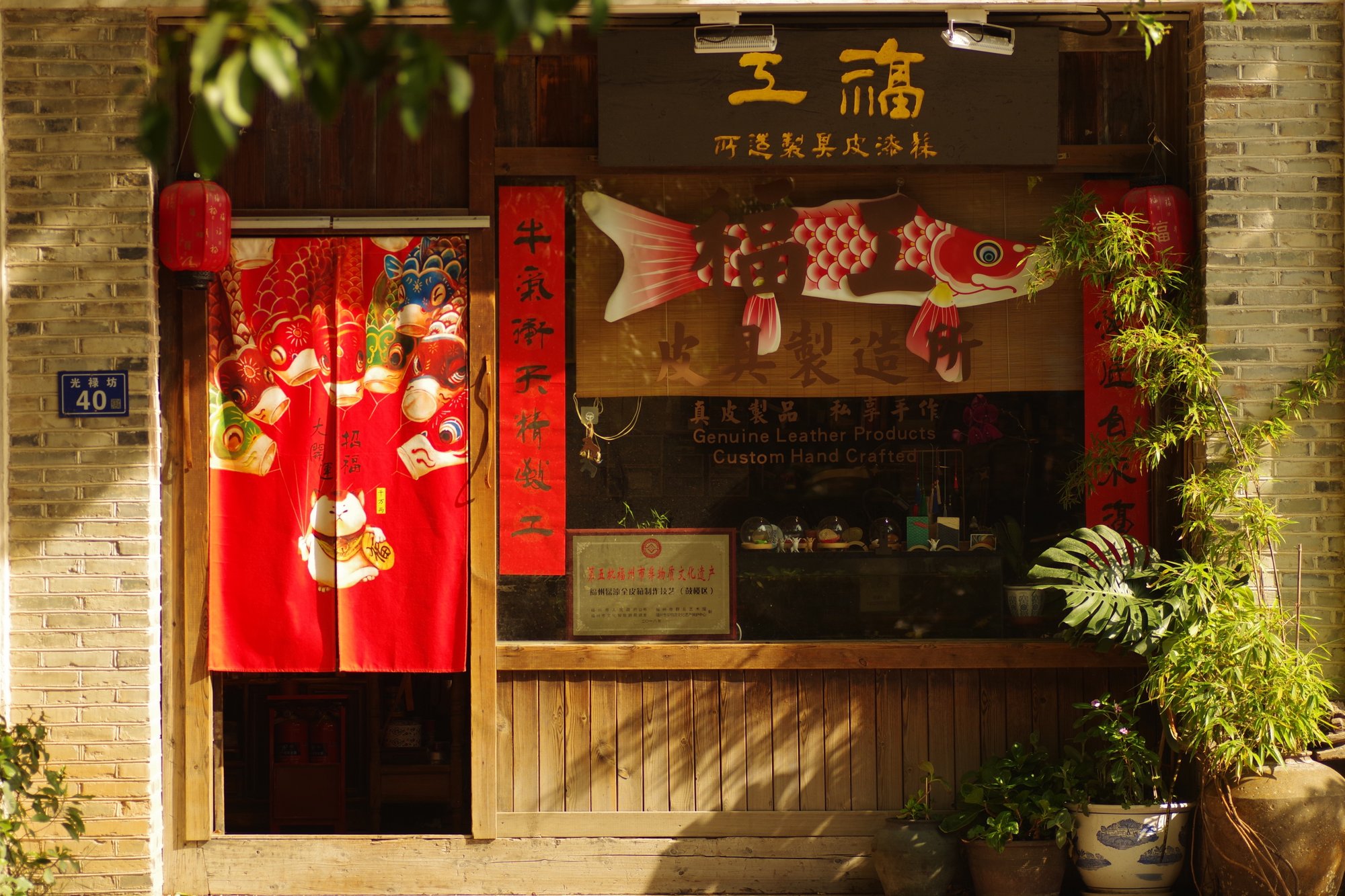
He Wei opened Fugong Leathercraft Workshop (福工皮具制造所) in Guanglufang, within Fuzhou’s Sanfang Qixiang historic district.
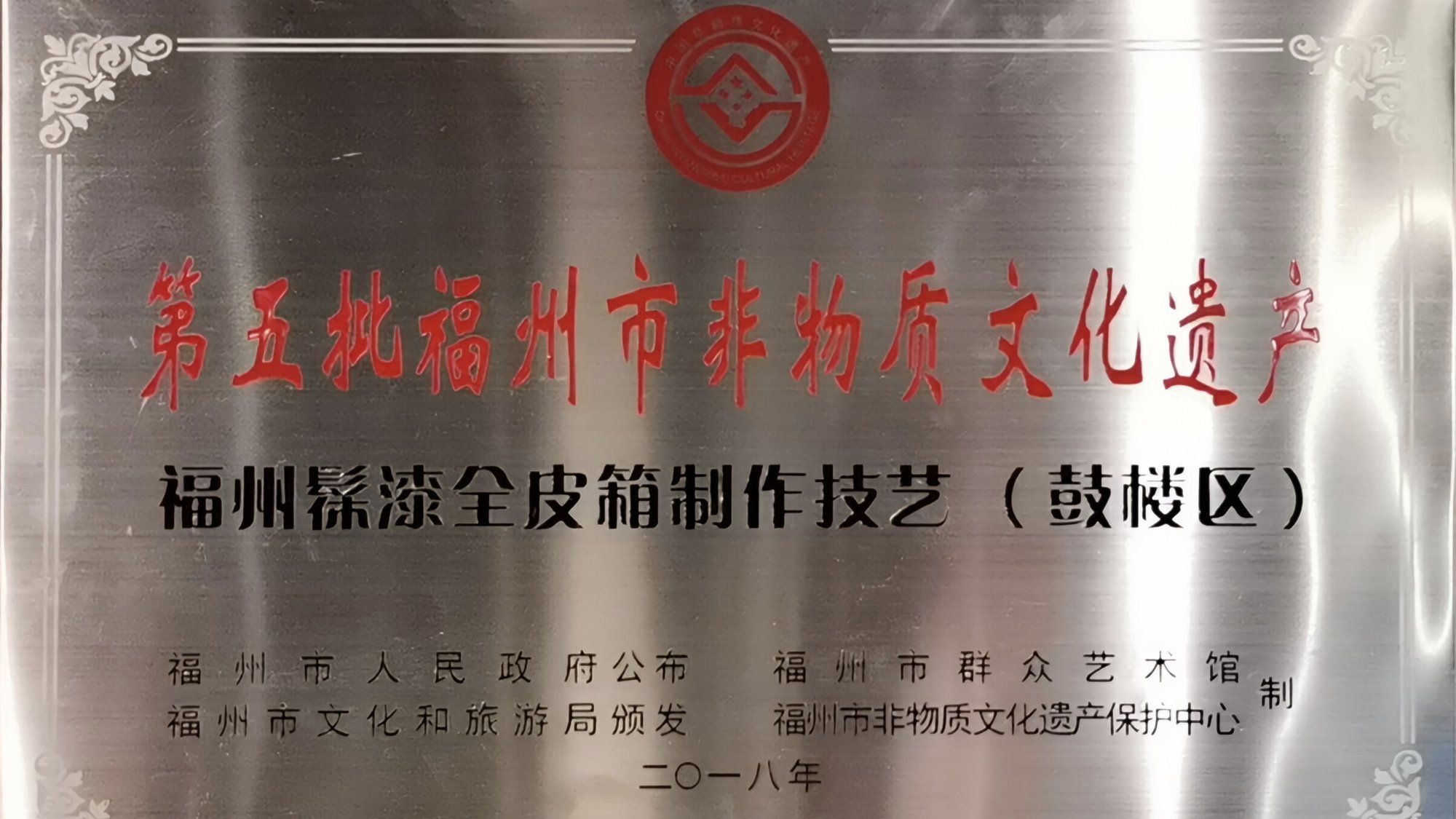
The Traditional Lacquered Leather Trunk-Making Craft of Fuzhou was entered on the third Gulou District intangible cultural heritage list in 2016 and the fifth Fuzhou municipal list in 2018.
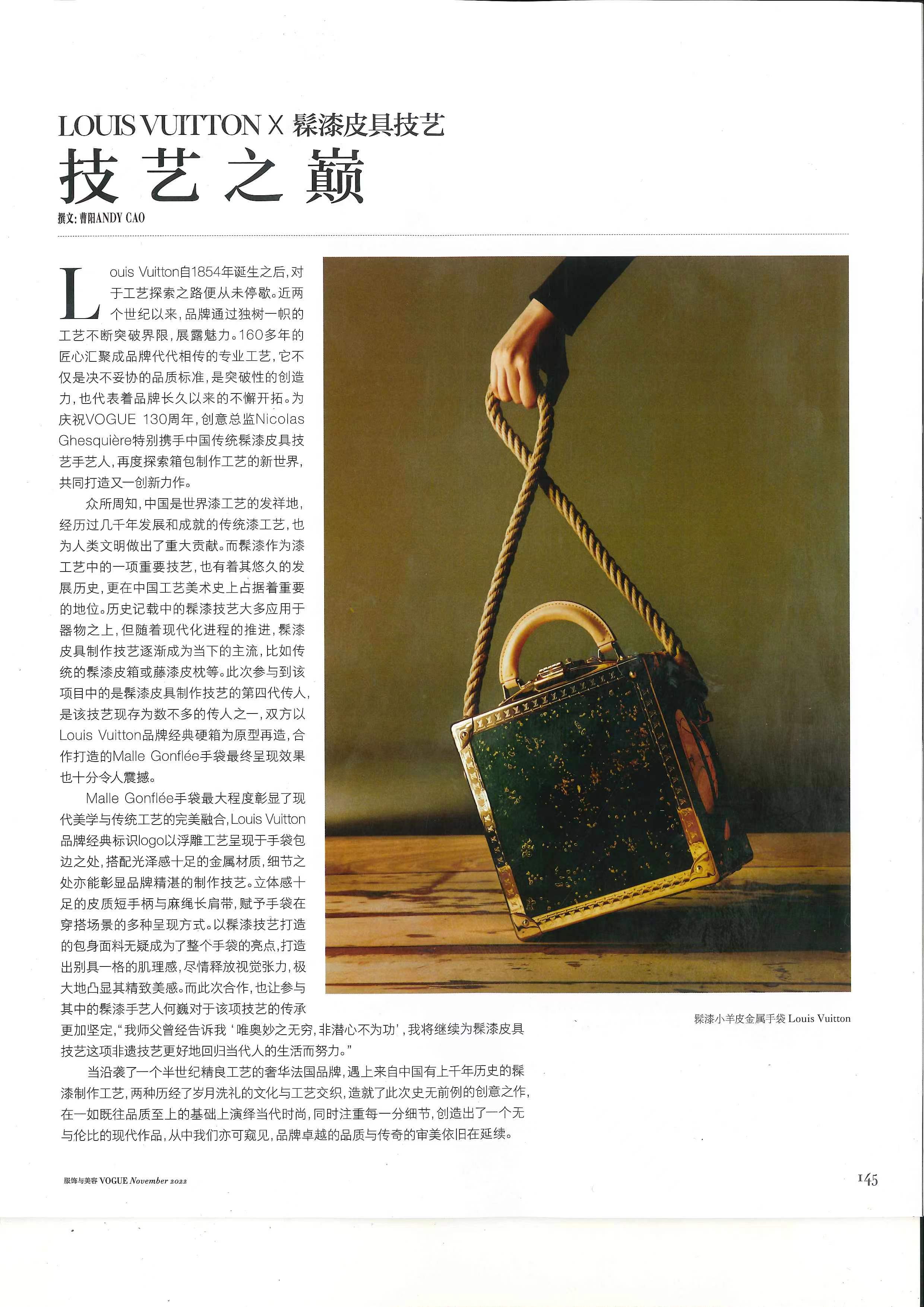
He Wei and Louis Vuitton creative director Nicolas Ghesquière developed a lacquered Malle Gonflée bag over six months. It was exhibited in Shanghai in October and, according to the project record, entered the Louis Vuitton archive in France.