Phase-one boundary: the 55 Chinese archive cards have not been mechanically translated. English pages will be added only when a card’s sources, wording and verification state can travel with it.
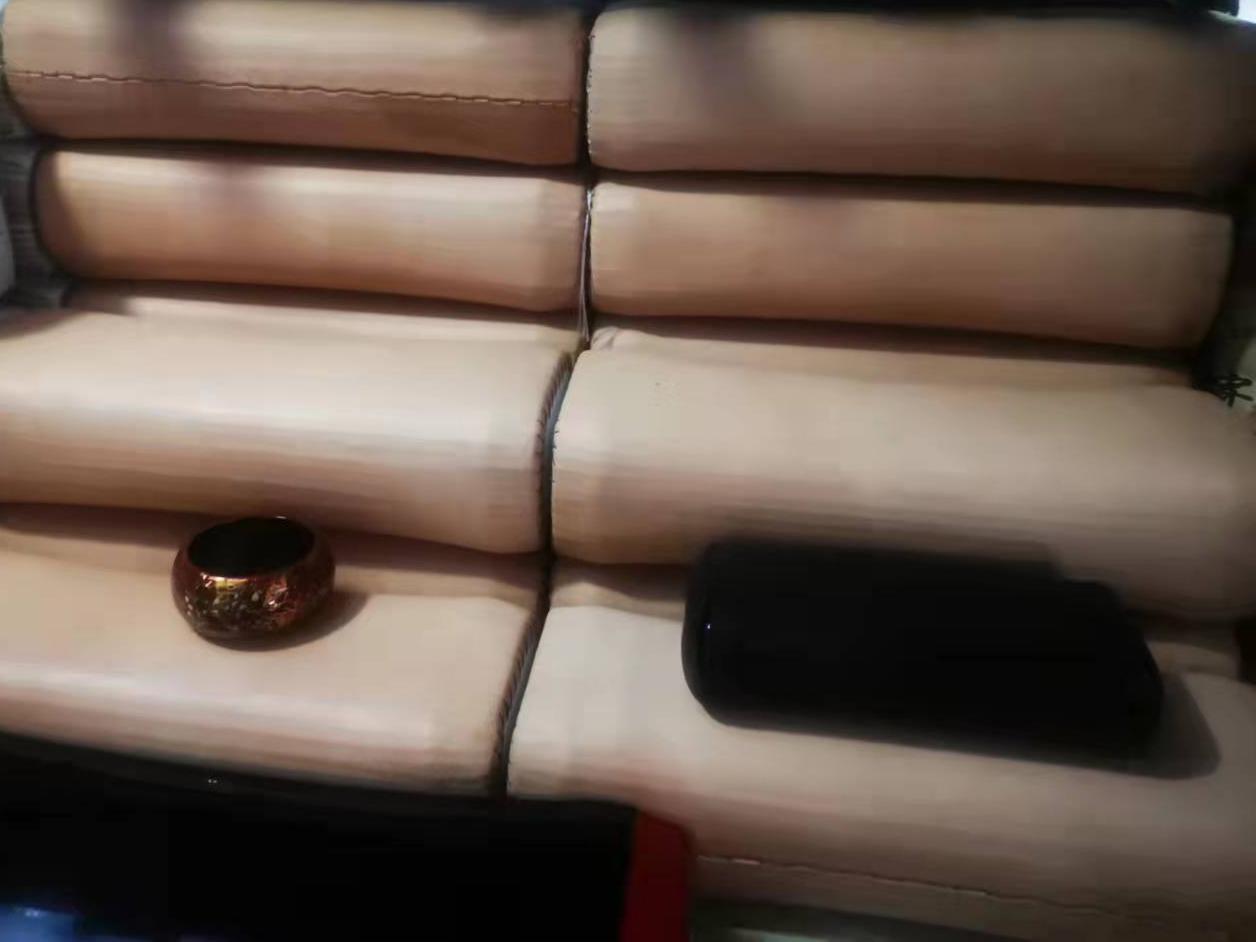
Lacquered leather trunk making
An English introduction to the inherited name, structure, main stages and lineage.
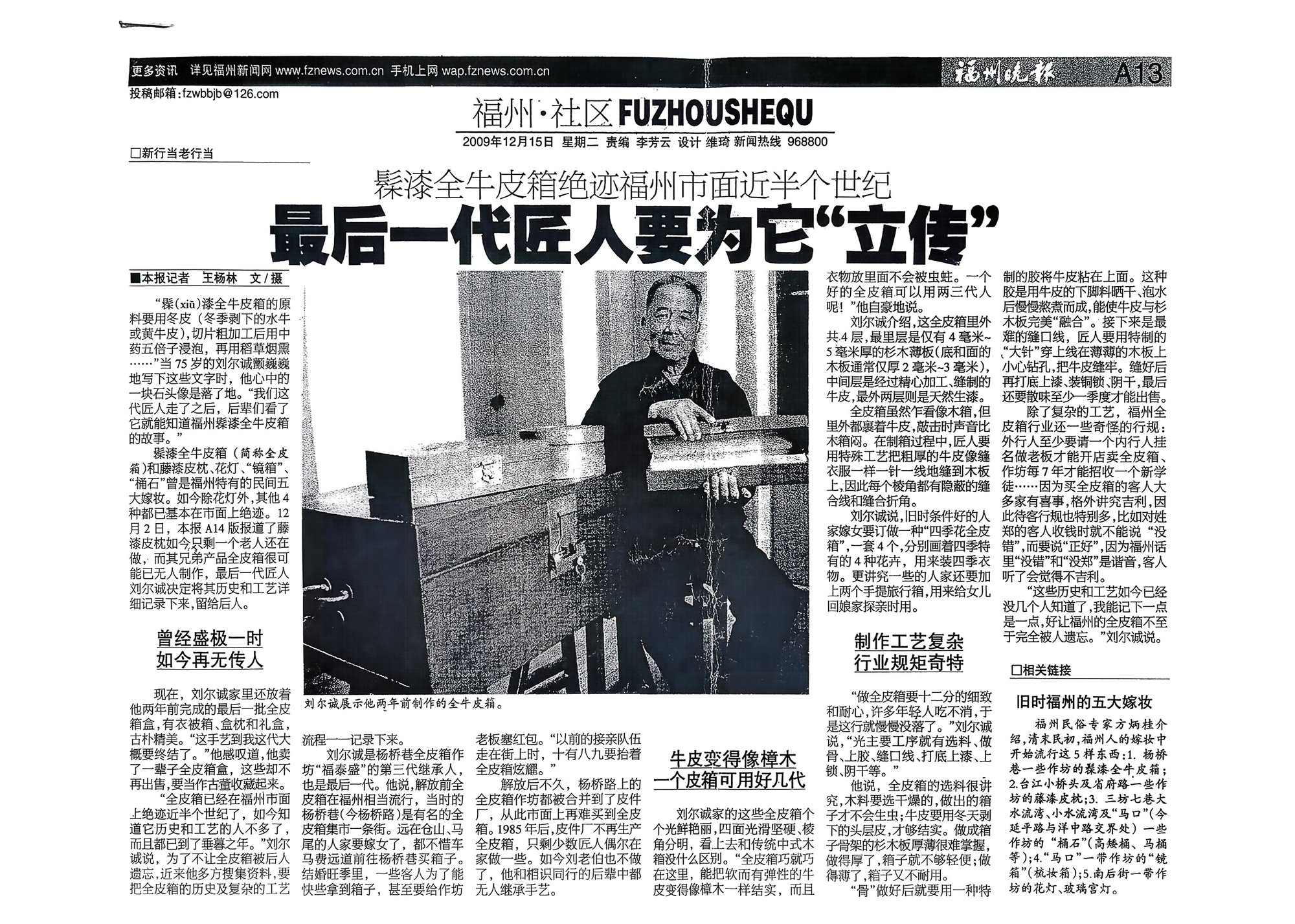
Provisional timeline
A compact route through the people, workshops and events now being checked.
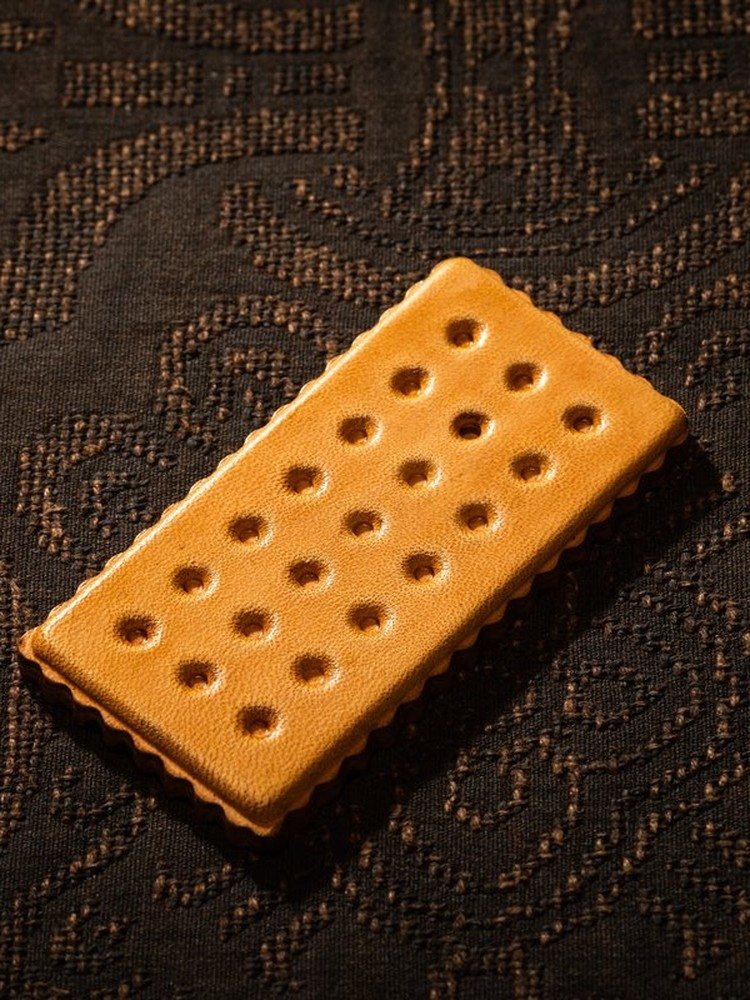
Seven selected works
Objects for which enough existing material supports a useful English account.
Knowledge
Chinese lacquer techniques
Carved red lacquer, qiangjin incised gold, luodian mother-of-pearl, xipi, the Xiushi lu and regional traditions.
Vietnamese sơn mài
Vietnamese lacquer painting: the Hanoi school from 1925, layering and grinding, eggshell and mother-of-pearl inlay.
Japanese lacquer techniques
Maki-e types, chinkin, Wajima-nuri, Negoro-nuri, nashiji and raden, mapped to Chinese lacquer methods.
Korean lacquer techniques
Mother-of-pearl inlay (najeon), its cutting methods and obangsaek colours.
Combining lacquer techniques
Which techniques combine, which conflict, and classic cross-cultural combinations.
Shagreen
Ray skin, known in Chinese as pearl fish skin (珍珠鱼皮), and its use under urushi lacquer.
World Lacquer Library
Japanese lacquer
Japanese lacquer artists from Hon’ami Koetsu to Shibata Zeshin, with museum sources.
Ogata Kōrin
1658–1716. Irises at Yatsuhashi, Hotei and a lacquered gourd basket: pattern across painting and lacquer.
Shibata Zeshin
1807–1891. Seigaiha-nuri, lacquer paintings and late works.
Nakayama Komin
1808–1870. Edo maki-e artist and pupil of Hara Yoyusai.
Shiomi Masanari
1646–1719. Kyoto inro maki-e artist known for togidashi maki-e.
Why the full archive remains in Chinese
Many cards are working research notes. Translation without their source and verification context would make provisional material appear more settled than it is. The English section therefore begins with a small, reviewable set rather than a duplicated database.