Four crafts, one object
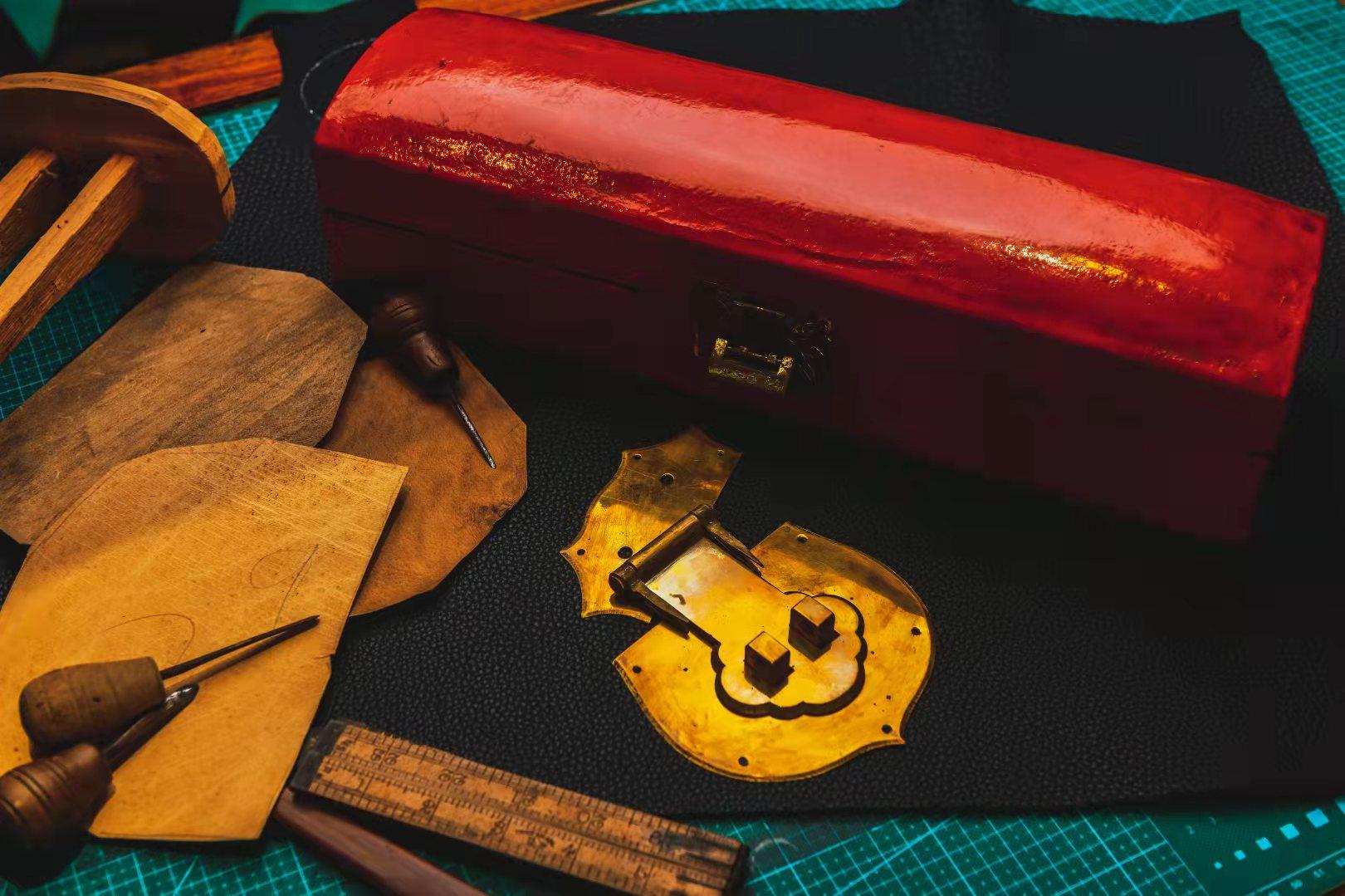
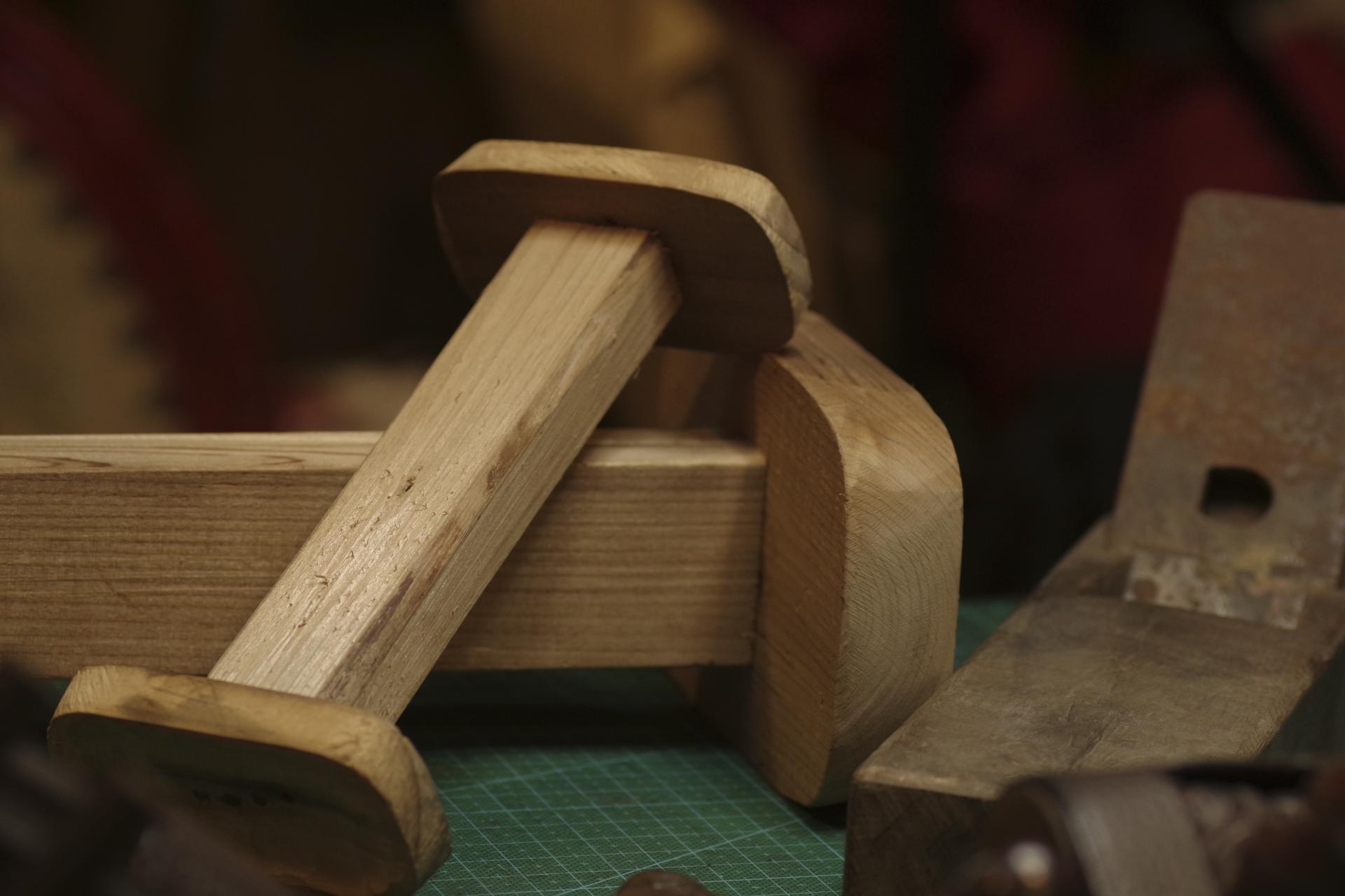
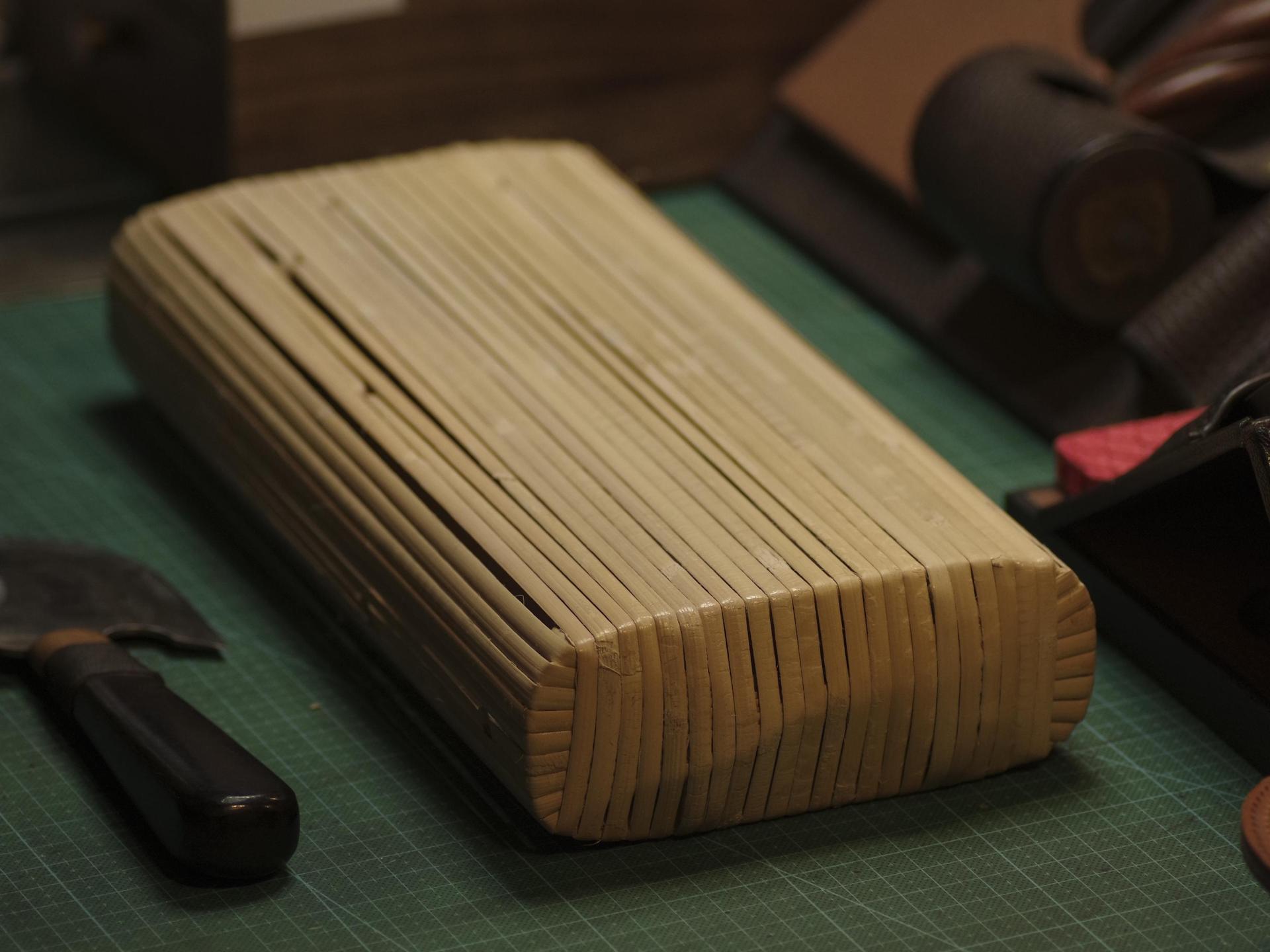
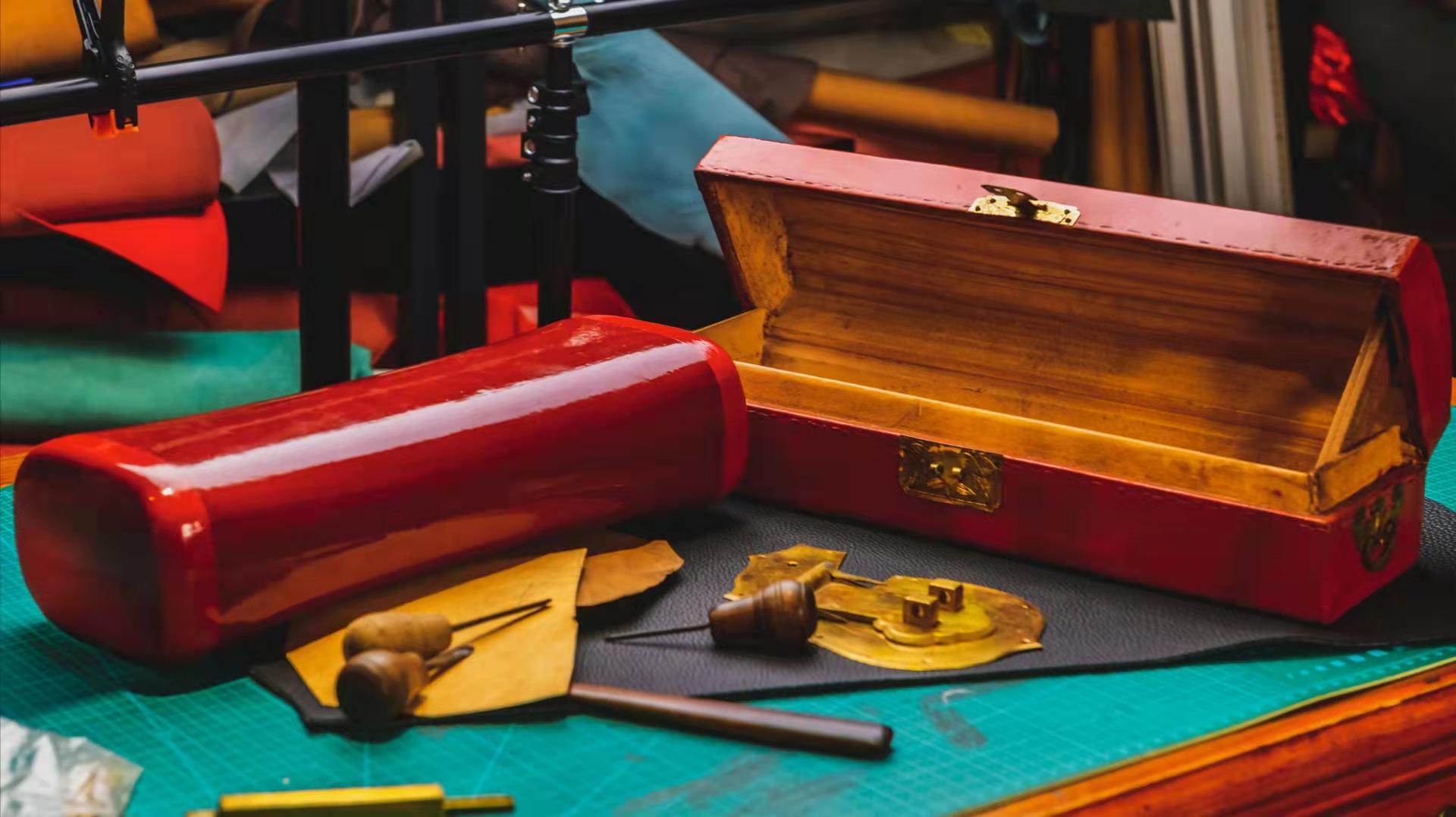
An old fir frame establishes a light, stable structure. Rattan is woven around it for resilience and ventilation. Cowhide is fitted and stitched over the woven body. A clear lacquer mixture made with raw lacquer and cooked tung oil is then applied in repeated cycles.
The complete process normally takes two to three months. The result preserves a kind of flexibility that is uncommon in lacquerware: the rattan and leather continue to give under use while the lacquered surface remains integral.
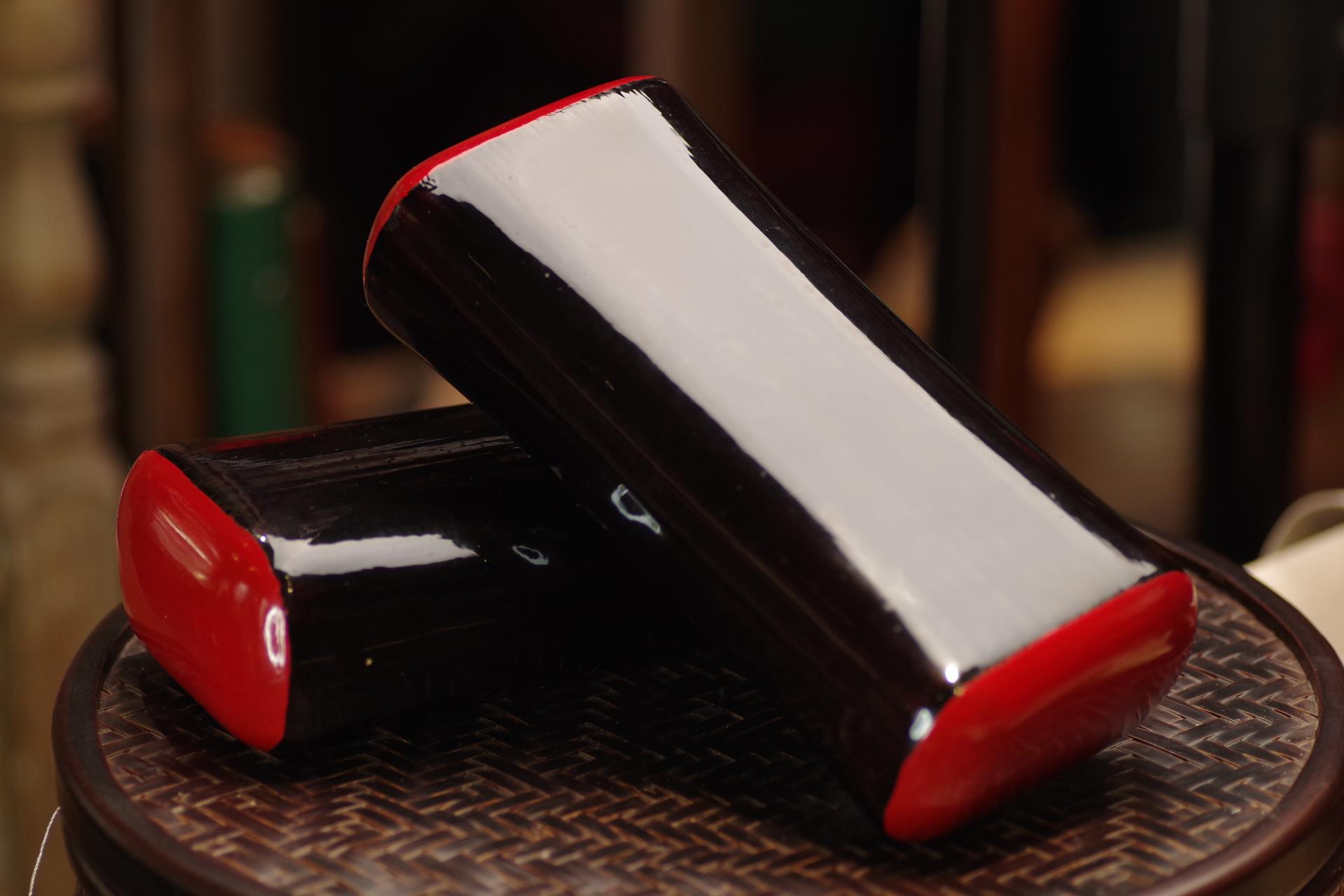
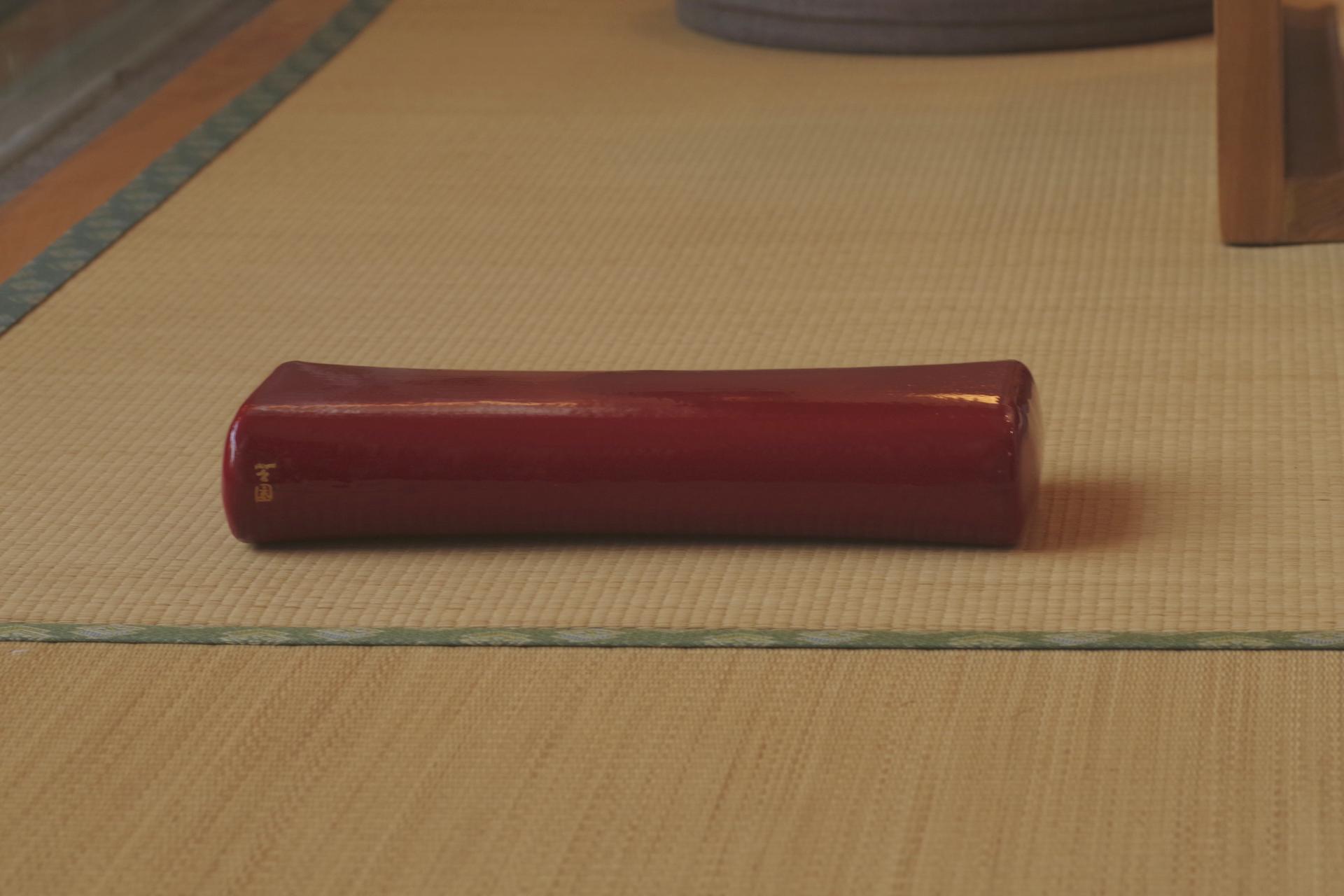
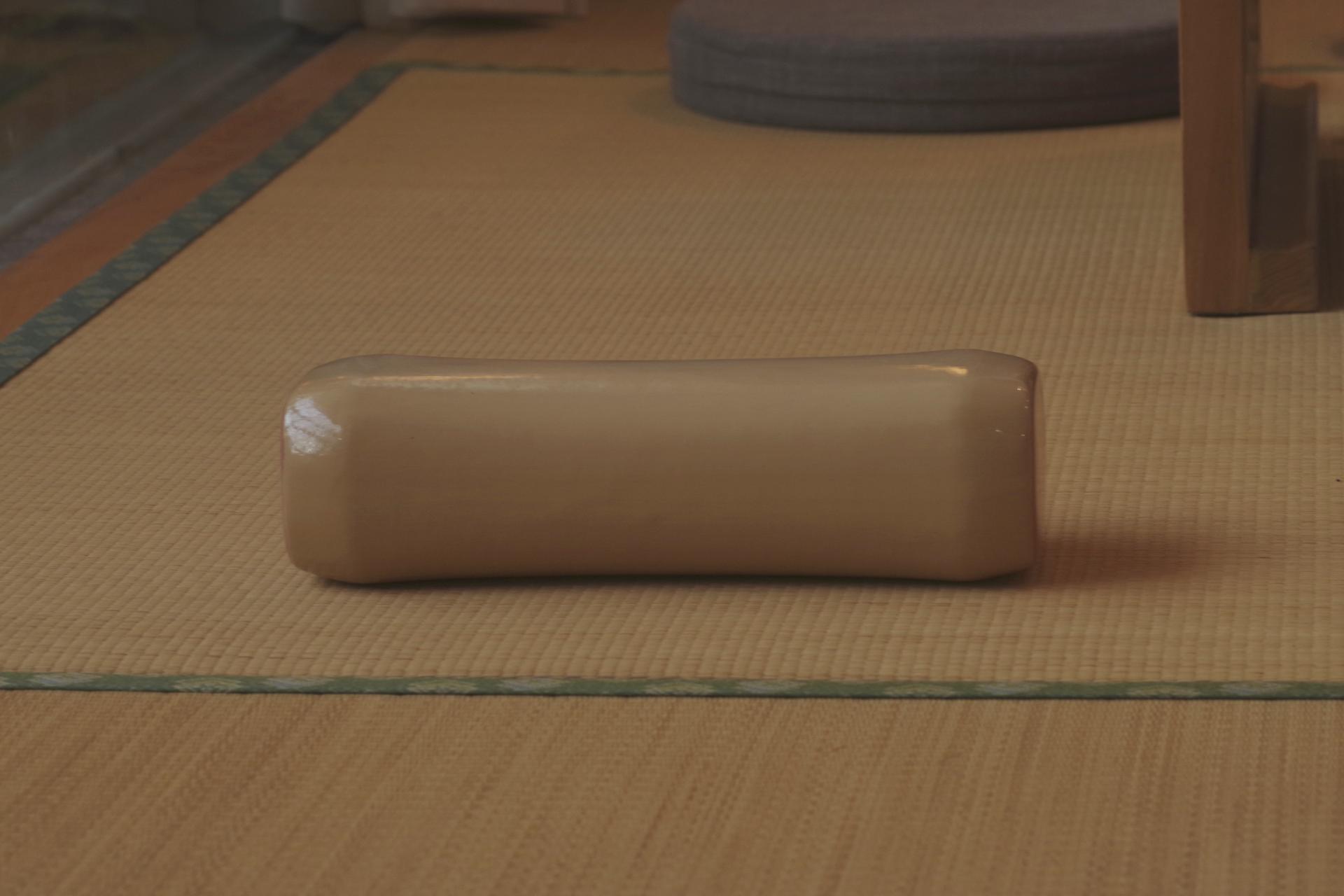
Two scales and three colours
The High Pillow, No Worries version measures 35 × 13 × 9 cm. A smaller version, Lineage Continued, measures 19 × 9 × 5 cm and takes its scale from the portable pulse pillow used in Chinese medicine.
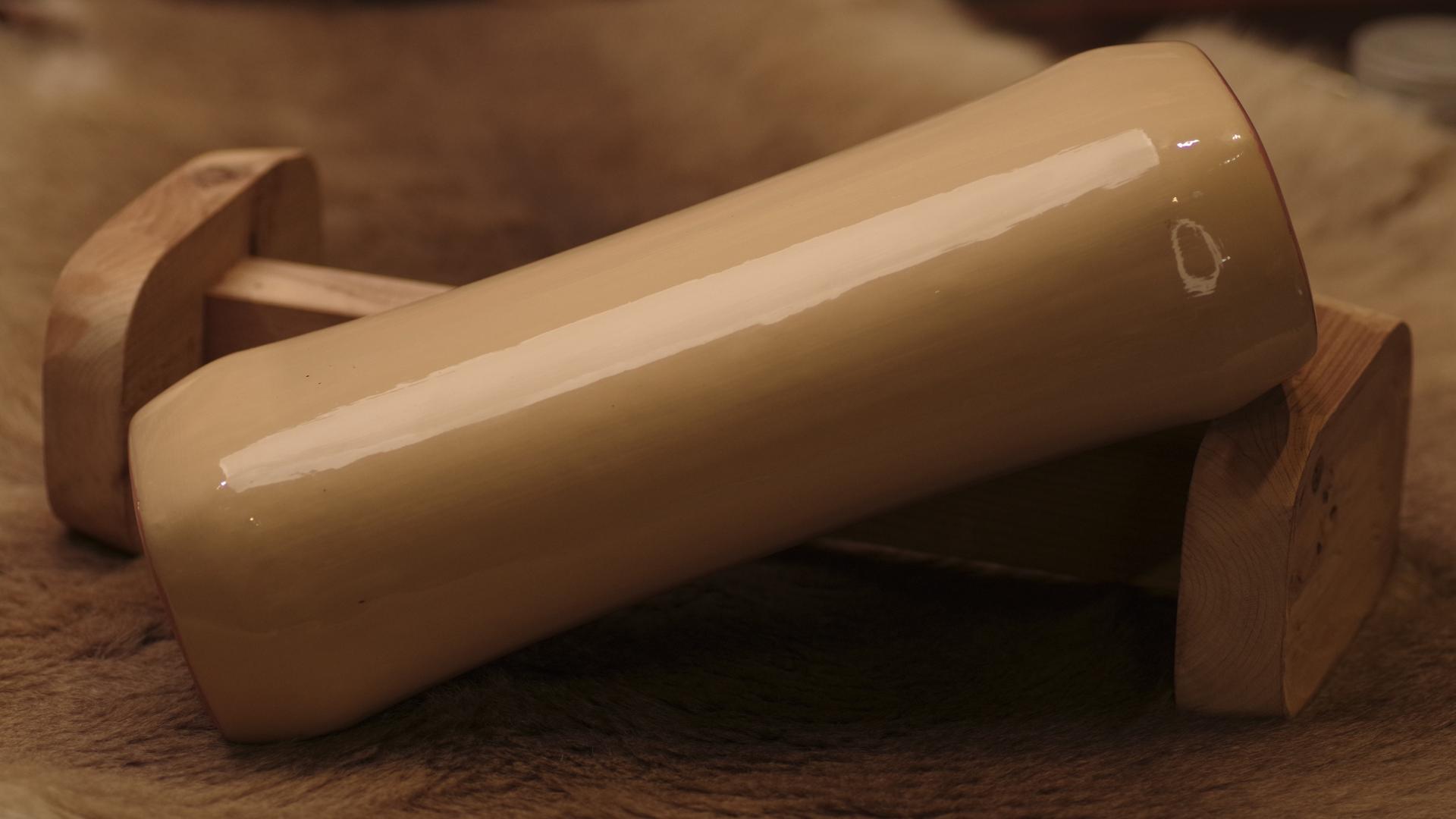
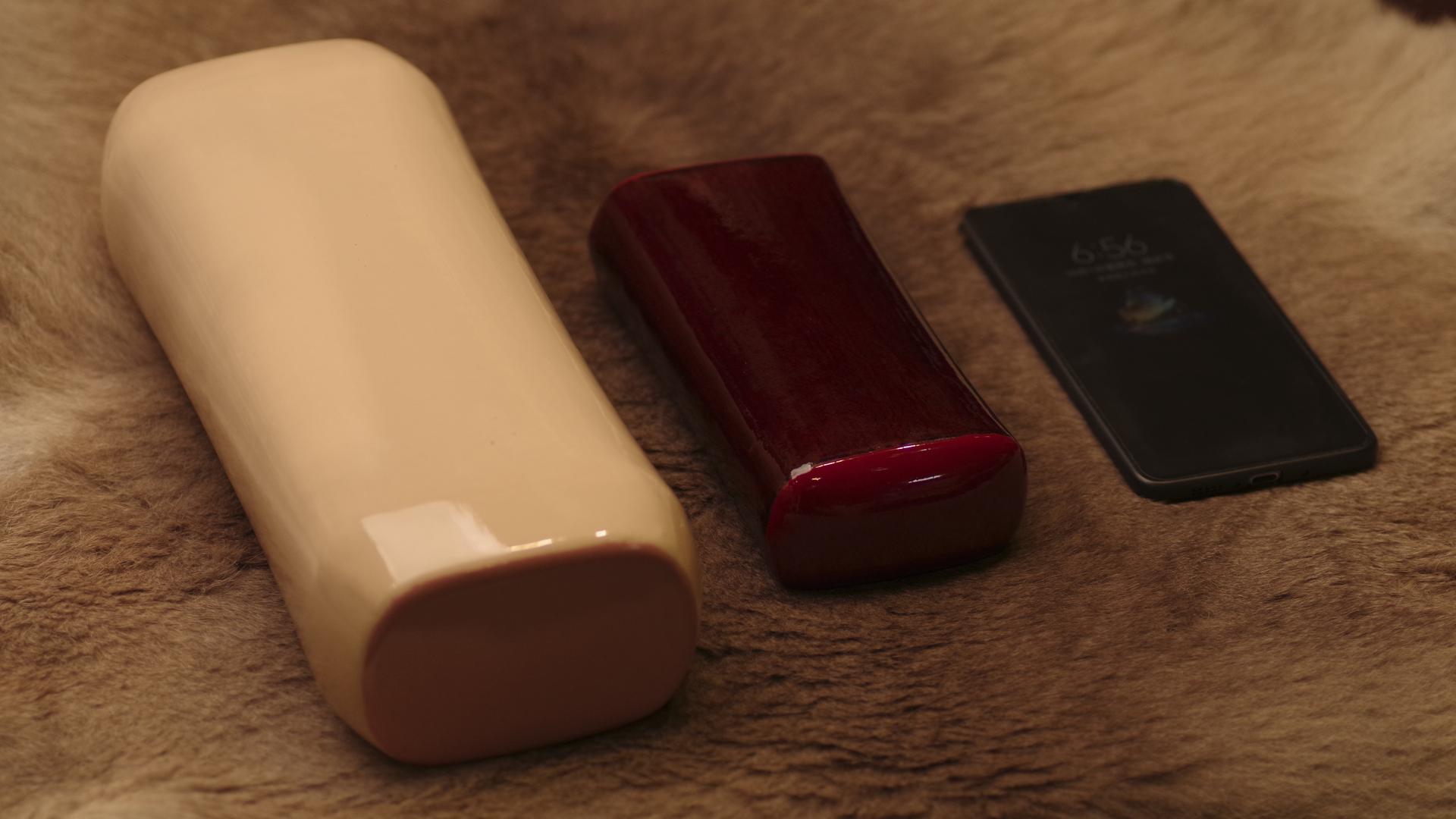
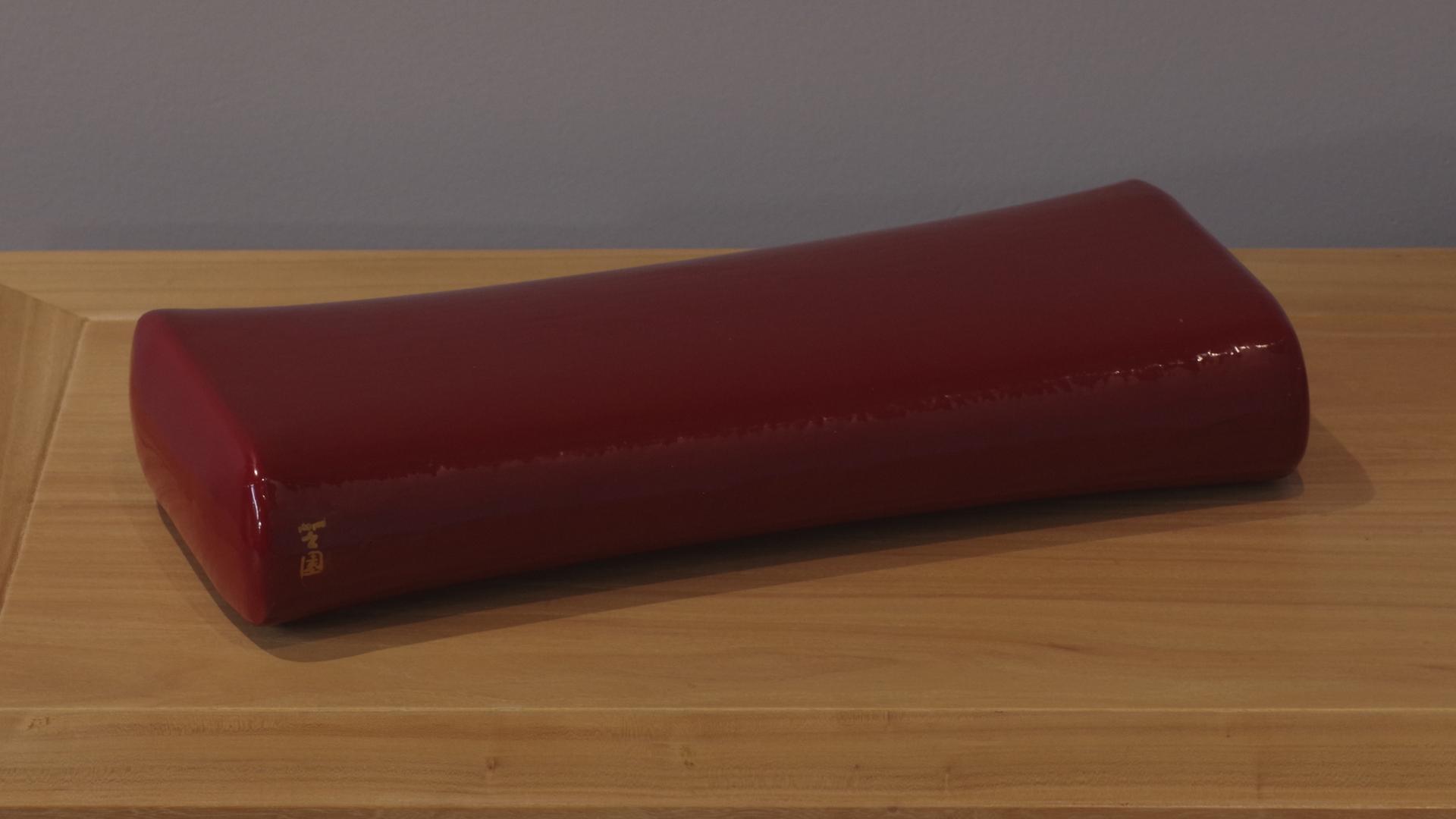
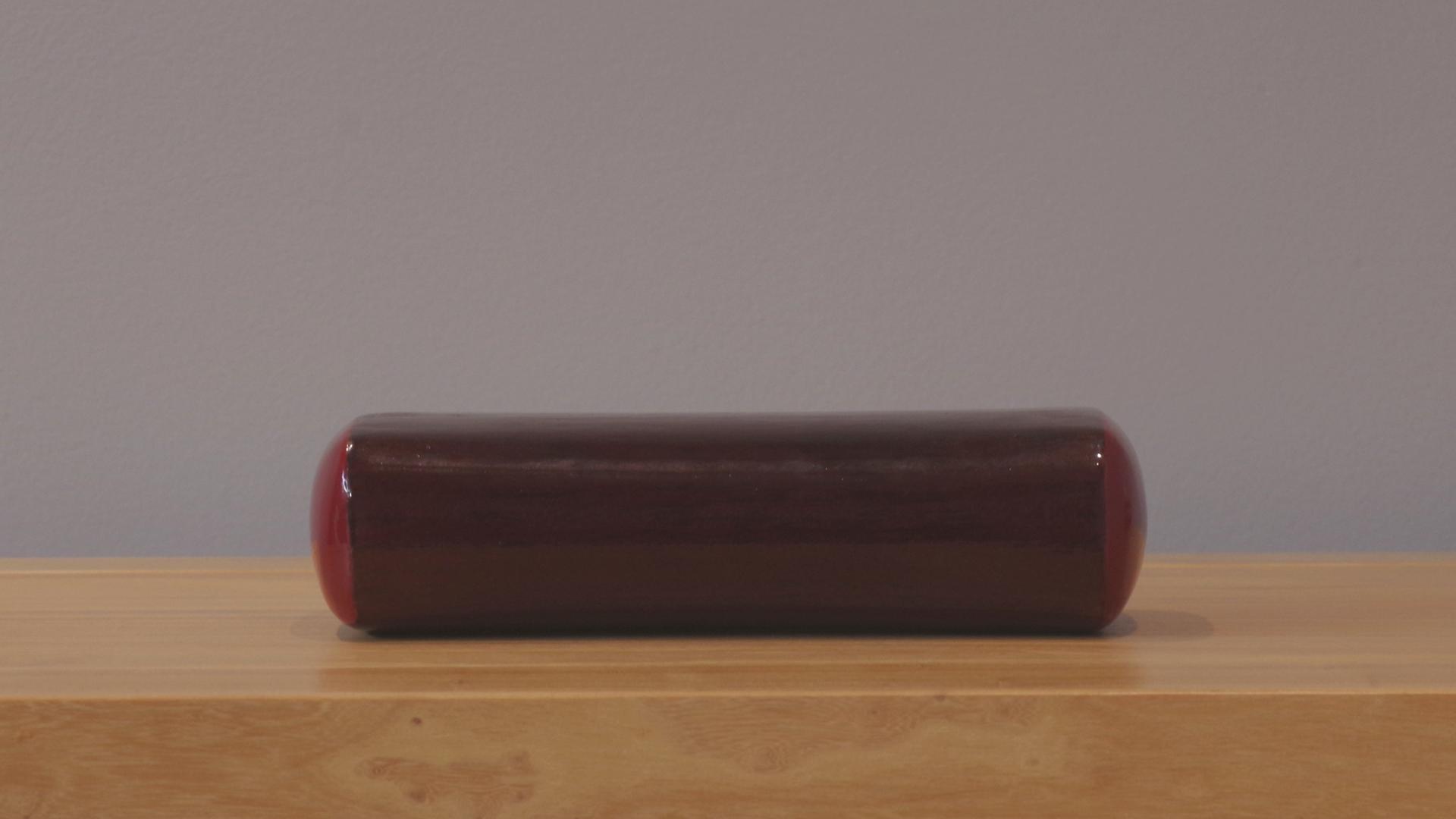
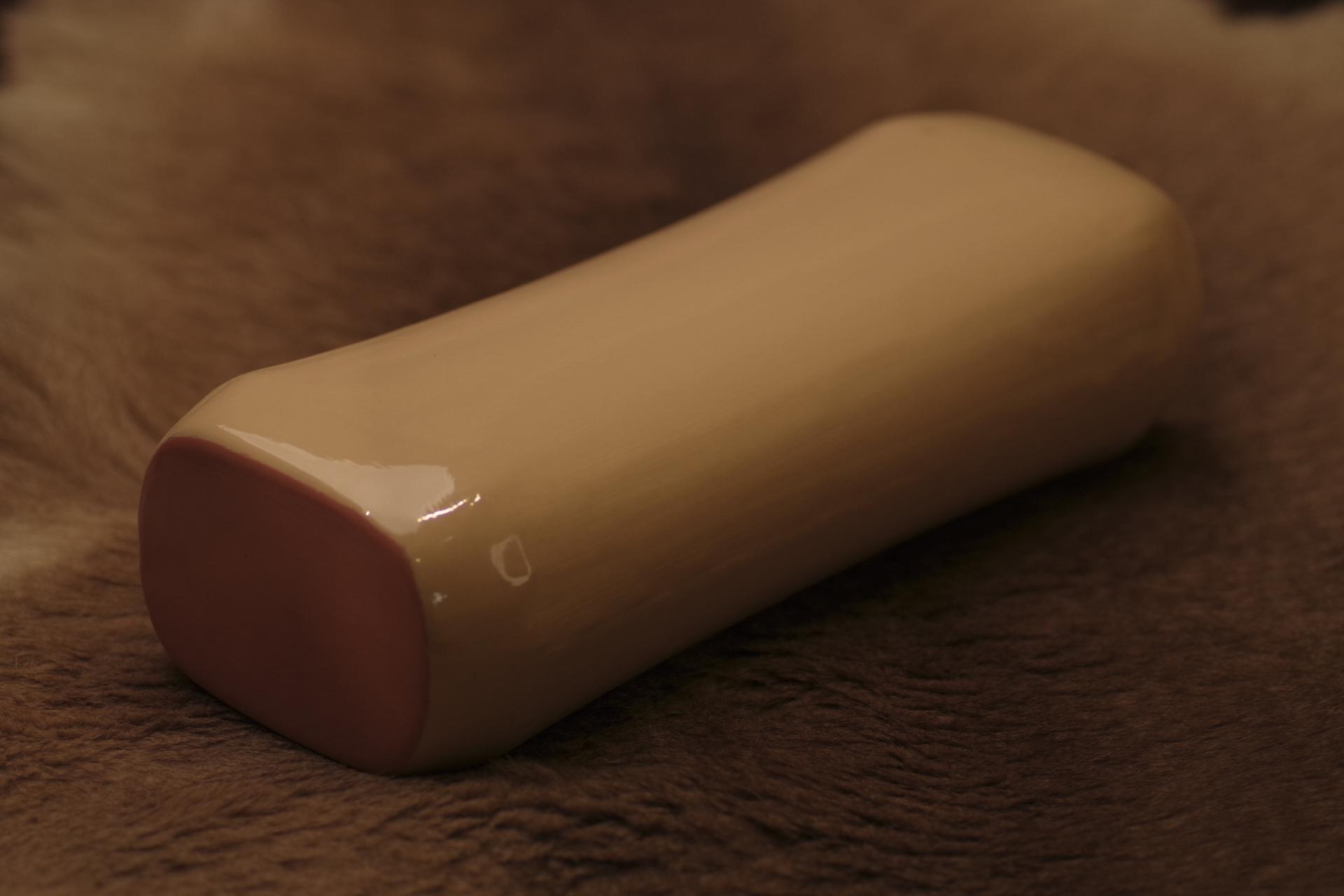
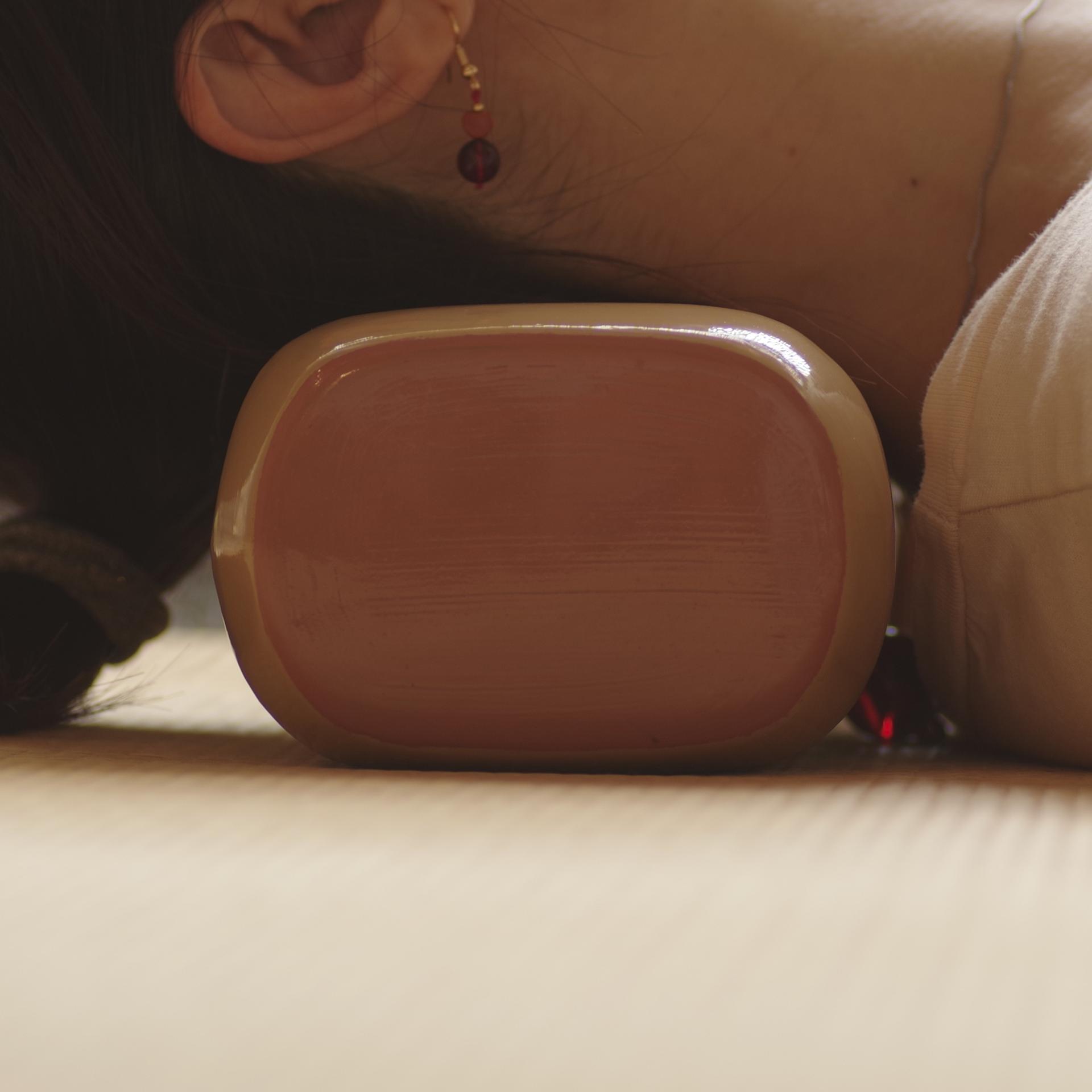
Living with the object
The Chinese page also documents positioning, adjustment and cleaning as part of the object’s daily use.
Lineage in the work
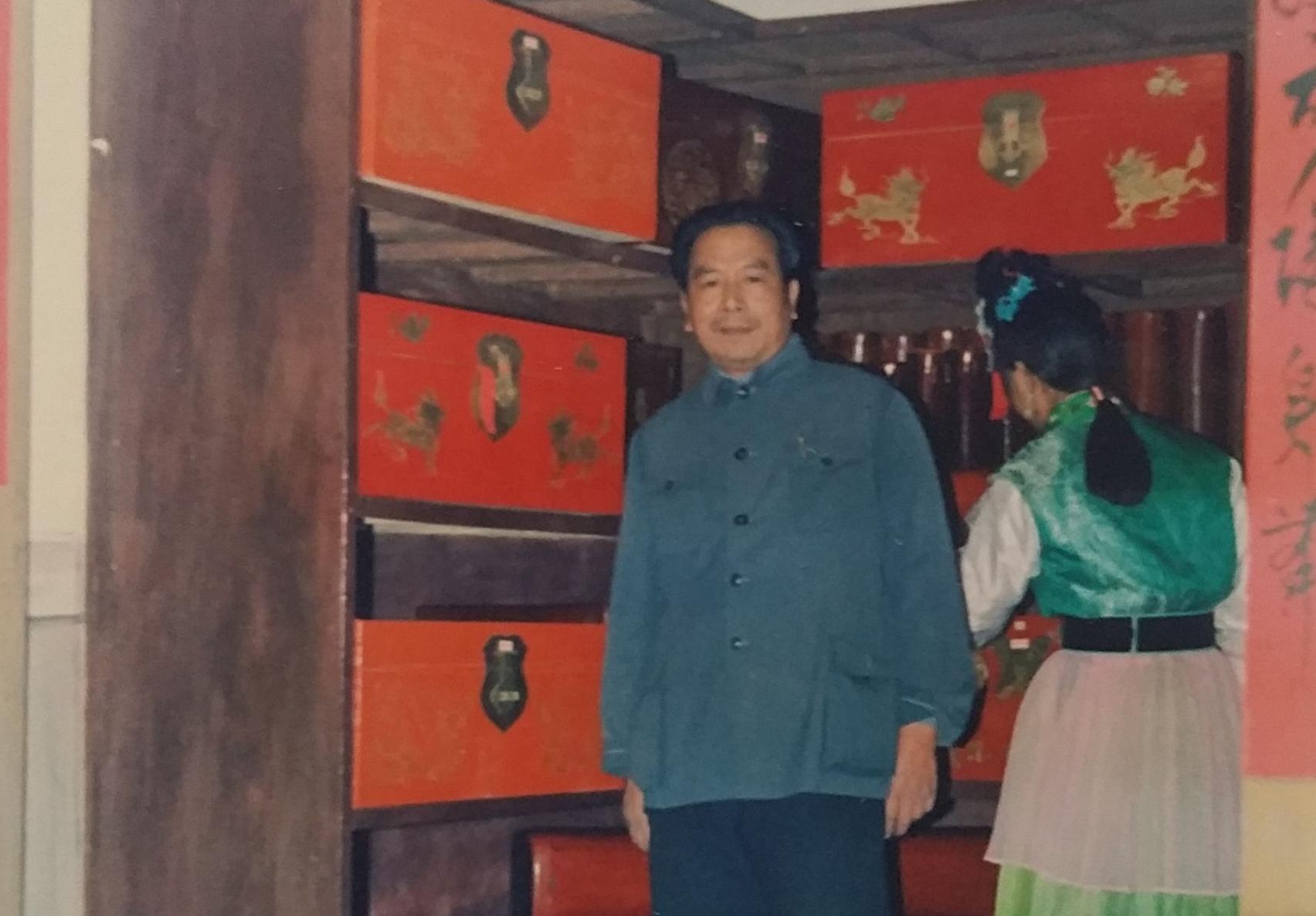
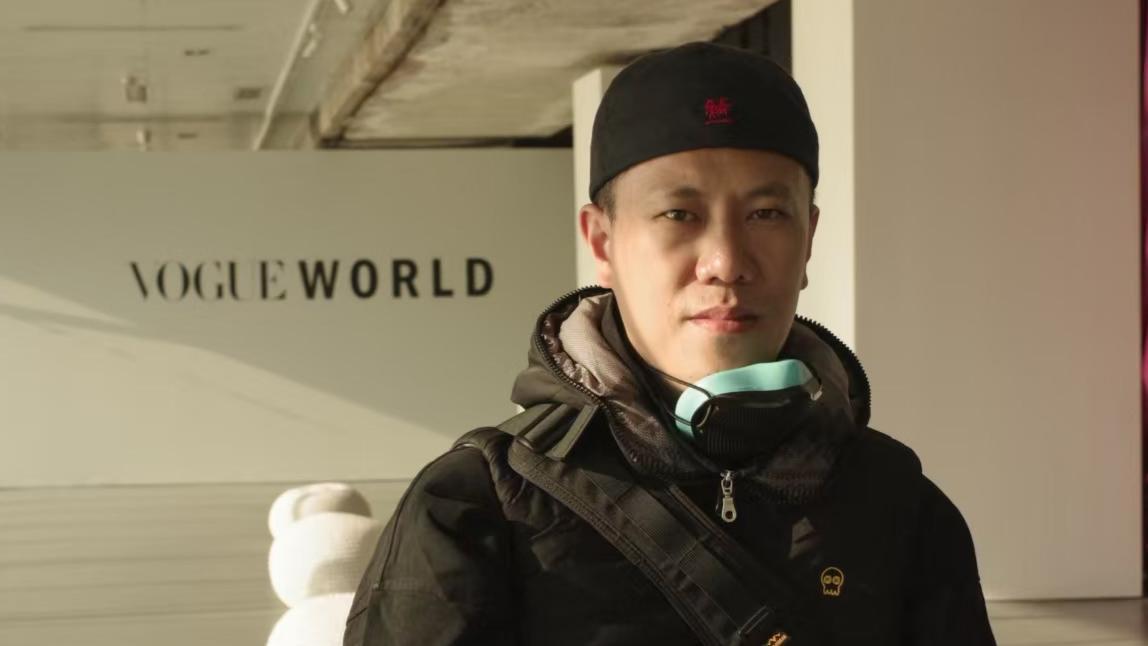
The Chinese page records both Liu Ercheng and He Wei alongside this object. Liu inherited the family craft and worked through the state-owned factory period; He studied with Liu and later continued the practice through Fugong Leathercraft Workshop.